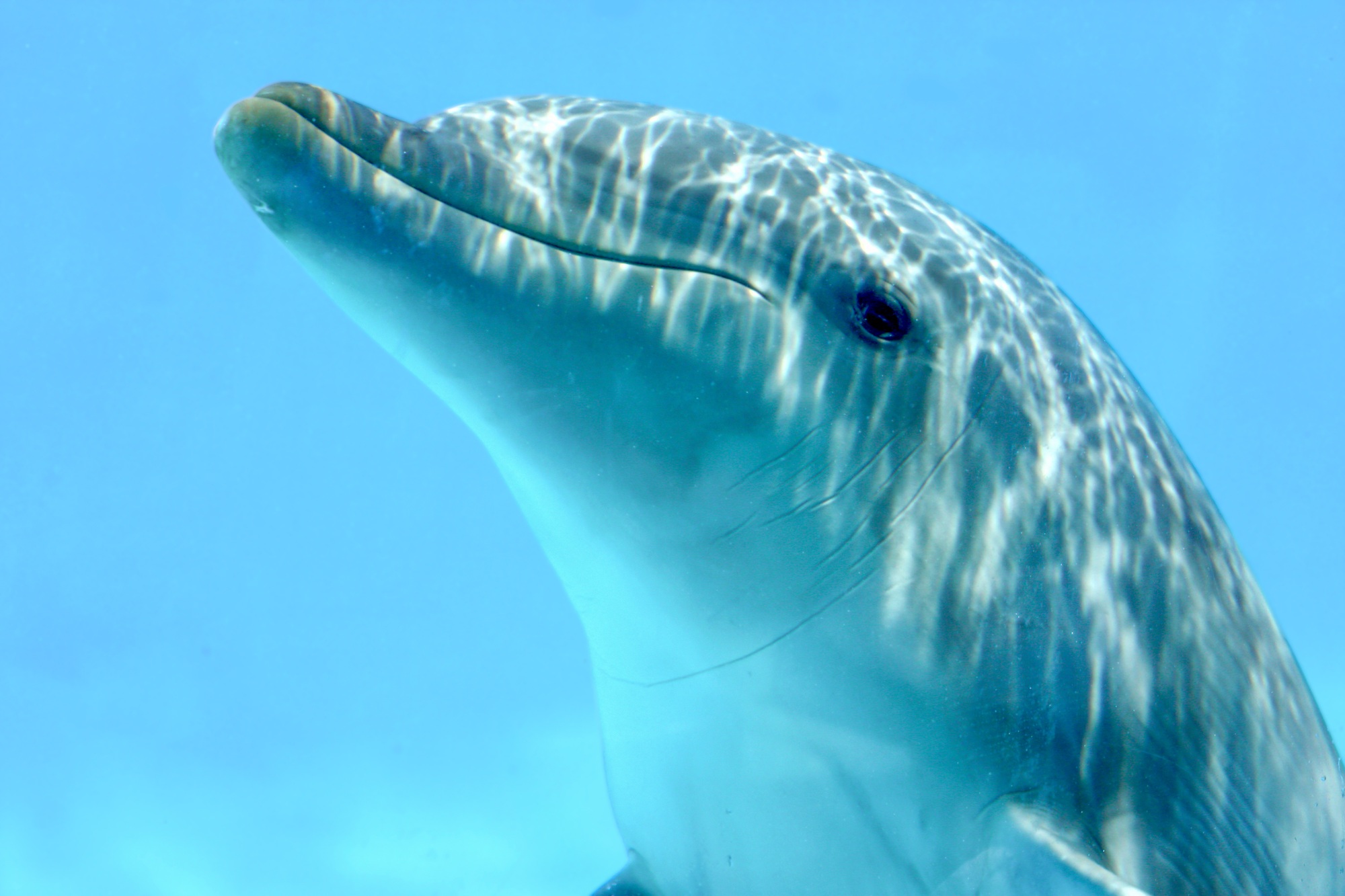
Early on Sunday morning, a live calf of a common dolphin, measuring one metre, was discovered by the beach hammock concessionaire at the rocks in the San Roque area of Torrevieja. The alert was promptly raised to the Valencian Community Beach Strandings Network via a call to one hundred and twelve. Local emergency services responded quickly, including the environmental unit of the local police, beach maintenance workers, and cleaning staff.
The calf, recognised for its shiny black colour with a completely white underside, was safely housed in a special containment unit at municipal facilities to minimise stress from crowds and direct sunlight. It was kept hydrated and under observation while a team of veterinarians from the Oceanogràfic were dispatched to assist.
Regrettably, the calf died shortly after transport to Valencia, with indications that it was already weakened before stranding. A necropsy will be conducted to ascertain the exact cause of death. It is known that common dolphin strandings often involve individuals that are not in optimal health.
Common dolphins, or Globicephala melas, are characterised by their rounded heads which resemble a kettle, along with a short beak. Adult specimens can reach lengths of between three point eight and six metres, and they typically live in social groups of up to one hundred individuals, where calves are cared for by their mothers and other females.
This article was written with AI assistance and reviewed by a human editor before publication.