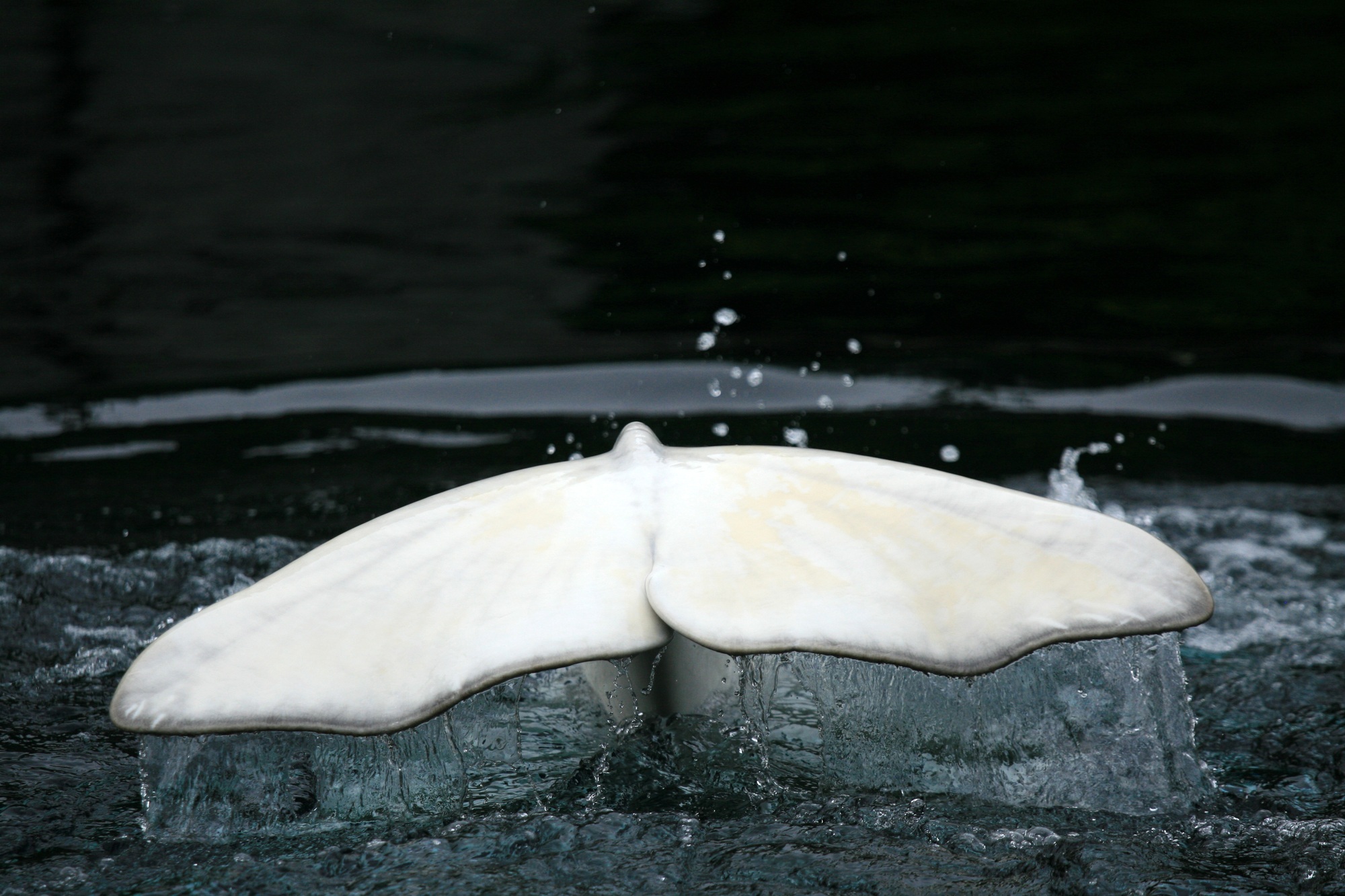
This week, Dénia has enjoyed a front-row seat to one of nature’s grandest spectacles. Over one hundred fin whales, the second largest animals on Earth, have been seen migrating along the Costa Blanca. Led by researchers from the Polytechnic University of Valencia, this migration study has focused on tracking these gentle giants and understanding their behaviours.
As part of the research efforts, the team has successfully placed satellite tags on three of the whales, providing valuable insight into their movements. Drones have also been deployed to capture identifying photographs of twenty-one individual whales, alongside the collection of breath samples to assess their health and genetics, all carried out in a non-intrusive manner.
Fin whales typically grow to an impressive length of twenty-four metres, and their unique greyish colour with striking white bellies makes them distinct. Unlike toothed cetaceans, fin whales filter-feed using baleen plates, placing them in the mysticete family. Their prominence in this region is underscored by the collaboration with the Tethys Research Institute and the sailing vessel Malizia Explorer, which has provided additional observational support from both land and sea.
According to researchers Eduardo Belda and Víctor Gallego, fin whales have become a symbol for the Dénia area, attracting the interest of tourists and scientists alike. Their ongoing research aims to conserve these majestic creatures and promote sustainable management of the local marine environment. This year’s campaign marks a significant success for the team, with valuable data collected to aid in the conservation of these incredible animals.
This article was written with AI assistance and reviewed by a human editor before publication.