As spring arrives, Spain is gearing up to transition to Daylight Saving Time this weekend. On Saturday, March twenty-nine, clocks will spring forward by one hour, at two AM becoming three AM. This shift aims to maximise daylight hours and energy savings. This year’s change coincides with the beginning of spring, which started on March twentieth, and a partial solar eclipse visible across much of Europe.
However, Spain may be poised to end this tradition soon. The practice of changing clocks dates back to nineteen seventy-four, but its effects have sparked debate. Reports suggest that the time shift could bring health issues, including sleep disorders and irritability, although these can be temporary.
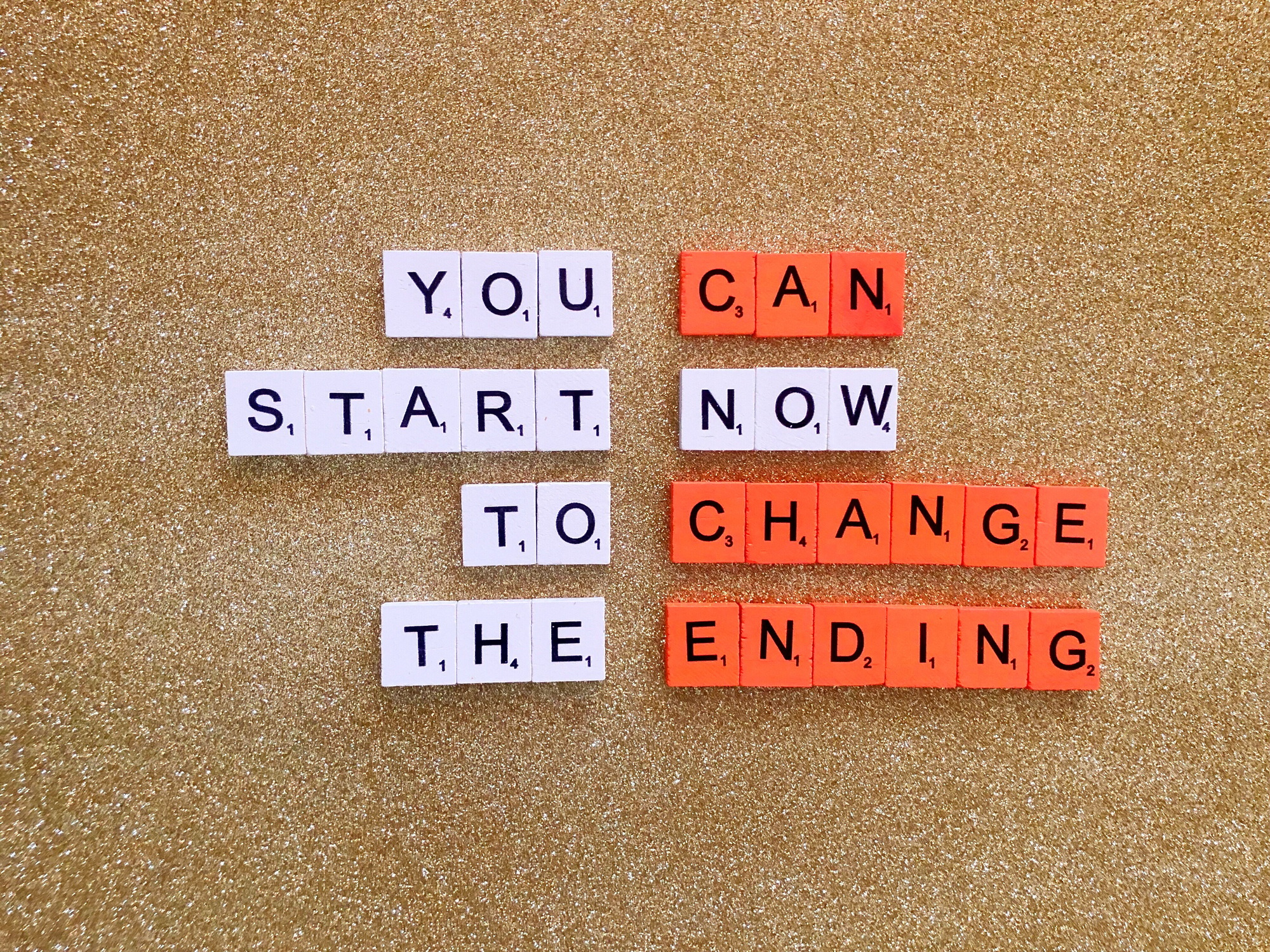
The European Commission proposed abolishing the biannual time change in two thousand eighteen, giving member states the option of permanent summer or winter time. Spain is currently set to maintain the clock changes until the last quarter of twenty twenty-six. A decision on scrapping Daylight Saving Time is expected, but the timeline remains uncertain.
For those preparing for the time change, experts recommend going to bed earlier in the days leading up to the adjustment. Optimising natural light through outdoor activities and reducing screen time before sleep can also help ease the transition.
This article was written with AI assistance and reviewed by a human editor before publication.