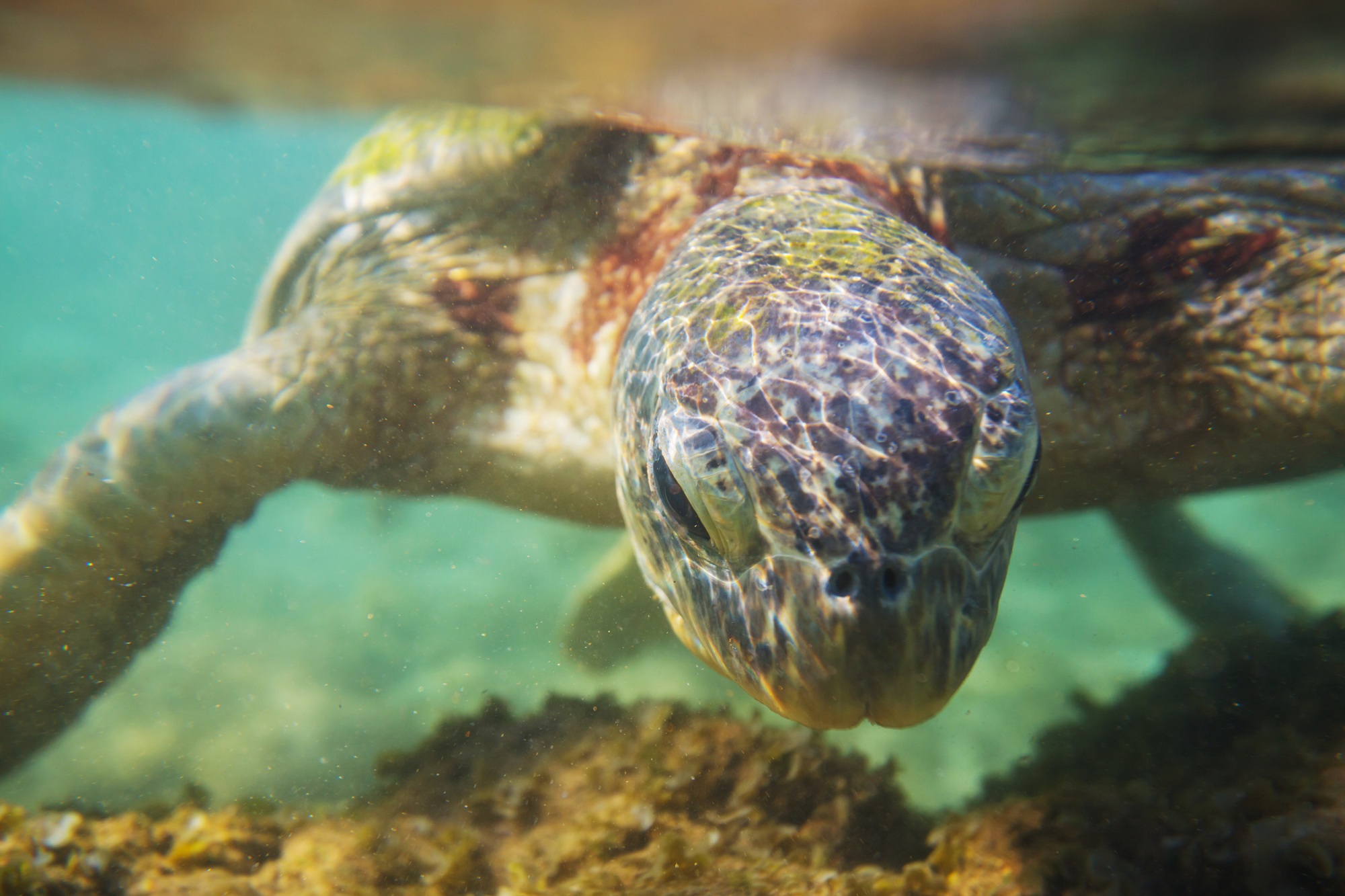
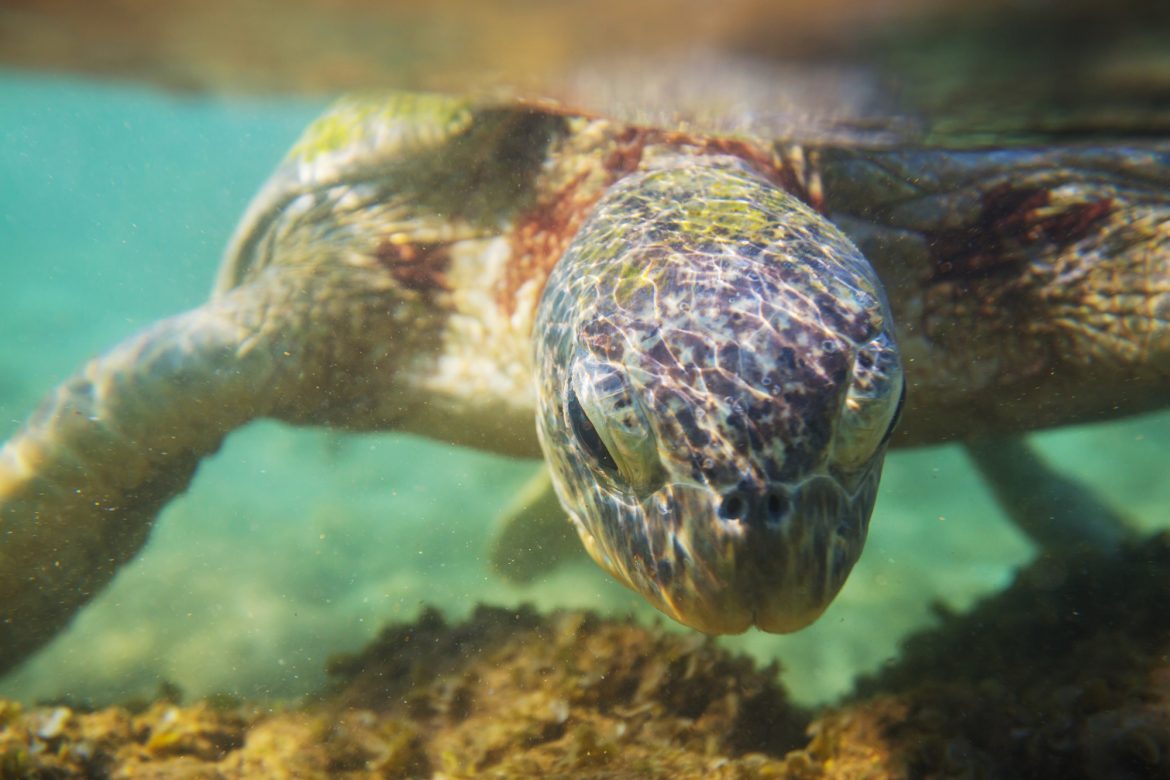
In the early hours of the morning, more than seventy loggerhead turtles, known scientifically as Caretta caretta, hatched at Las Marinas beach in Dénia, embarking on their challenging journey towards the Mediterranean Sea. The hatchlings began to emerge around ten thirty in the evening, where they were carefully collected and placed in a special box for health assessments. Blanca Feliu, a representative from the NGO Eucrante, confirmed that around thirty eggs are still expected to hatch in the next few hours.
The hatching process was supervised by researchers from the University of Valencia and veterinarians from L’Oceanogràfic, who measured the turtles’ shells and assessed their overall health. Remarkably, all turtles displayed optimal mobility and good health. Their mother, a loggerhead turtle named Diana, was first identified on Dénia’s beaches in twenty twenty-three and has since been monitored with a satellite tracking device, which has enabled the tracking of her nests this year.
Initially, Diana chose the urban beach of Marineta Casiana for nesting, but experts decided to relocate the eggs to a safer environment in Las Marinas. Supported by the Dénia Town Council and partnered NGOs Eucrante and Xaloc, a monitoring camp was established to ensure protection and surveillance for the hatchlings. This initial hatching marks the beginning of a series of births planned for the coming weeks.
Once medical checks were complete, the hatchlings were taken to the shore for their release. Approximately thirty spectators witnessed this special moment, safely behind a security barrier. The journey from their boxes to the sea took just fifteen minutes. While some hatchlings moved swiftly, others struggled with seaweed and uneven sand. Fortunately, volunteers assisted the lagging turtles without causing undue interference. Ultimately, all successfully reached the shore, disappearing into the sea and beginning their lives, which are fraught with natural and human-induced threats, as it is estimated that only one in every thousand will survive to adulthood. The monitoring camp will remain operational until the end of August, ensuring that all of Diana’s eggs hatch and that any disoriented hatchlings are assisted back to the sea.
This article was written with AI assistance and reviewed by a human editor before publication.