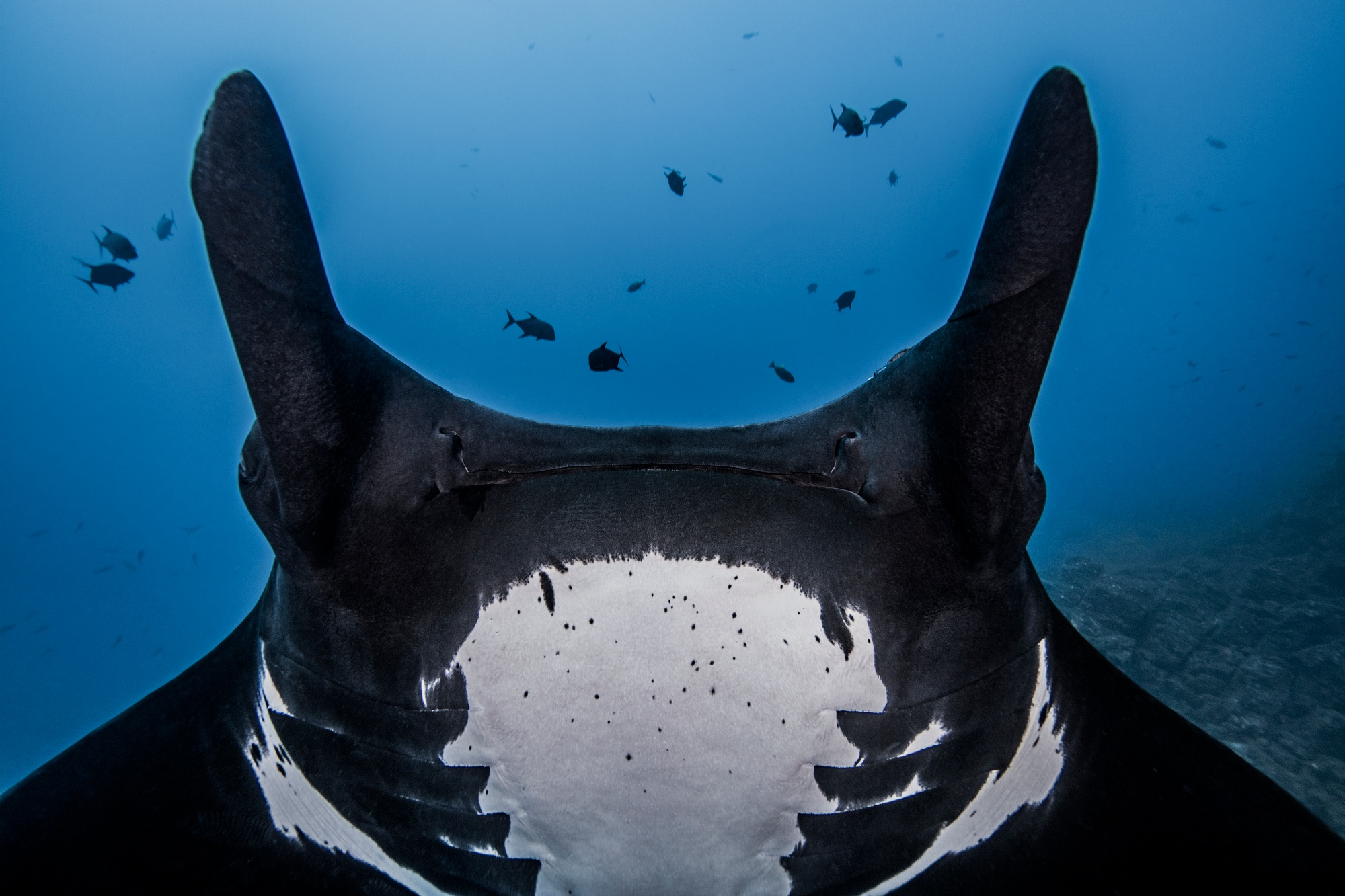
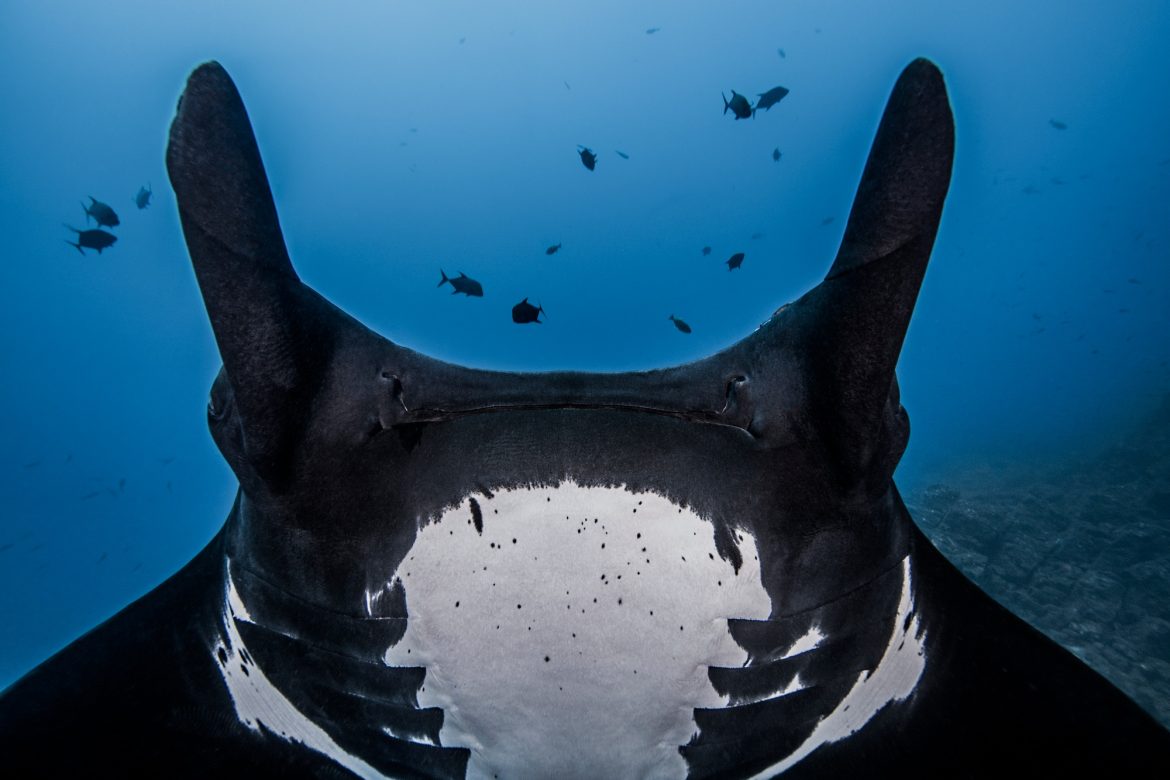
In a significant breakthrough for marine conservation, a collaboration between traditional fishers and environmental organisations has successfully tagged and released over thirty manta rays near La Azohía, close to Cartagena. This operation is part of a cooperative agreement made to enhance the management of endangered marine species in the Mediterranean
The Almadraba of La Azohía, a historic fishing method unique to the Iberian Peninsula, saw the accidental capture of thirty-two giant devil rays during its spring catch. With the assistance of WWF and ANSE, thirty of these rays were tagged for monitoring, and four were fitted with satellite tracking devices to help researchers study their movements.
This event comes amid increasing global attention on the conservation of rays and sharks, with the World Wide Fund for Nature launching a call to action during the UN Ocean Conference in Nice. More than fifty organisations and several countries, including Spain, France, and the United Kingdom, have pledged their support for coordinated conservation efforts.
The giant devil ray, classified as ‘Endangered’ by the International Union for Conservation of Nature, faces significant threats from accidental capture. Its low birth rate of one to two offspring every two to three years complicates recovery efforts. Conservationists are optimistic that this collaboration between fishers and environmental advocates will pave the way for enhanced protection of marine species in the Mediterranean and beyond.
This article was written with AI assistance and reviewed by a human editor before publication.