Listeners:
Top listeners:
00:00
00:00
volume_up
chevron_left
-
 play_arrow
TKO Radio Love Life... Love Music... Love TKO!
-
 play_arrow
TKO Gold Classic Gold Easy Listening on The Costa Blanca
-
 play_arrow
TKO 70s
-
 play_arrow
TKO 80s
-
 play_arrow
TKO 90s
-
 play_arrow
Paul Baker's Weekender TKO Radio
-
play_arrow
Something For The Weekend TKO Radio
-
 play_arrow
Weekend Wakeup TKO Radio
-
 play_arrow
Early Breakfast TKO Radio
-
play_arrow
Club Life TKO Radio
Excavation Reveals Roman Villa in Alicante

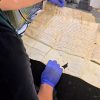
Archaeologists have made a significant discovery in La Almadraba, Alicante, uncovering the remains of a Roman villa associated with the ancient city of Lucentum, the precursor to modern Alicante. This find occurred during a redevelopment project aimed at enhancing the area’s landscape and tourism. The excavations exposed well-preserved structures, coins, and a variety of ceramics dating from the third century BC to the fourth century AD.
Among the items found are fine Campanian ceramics from between the second century BC and the first century AD, painted Iberian pottery, and coins from the reign of Emperor Antoninus Pius. The excavated materials suggest that the peak period of occupation in the area occurred during the first and second centuries AD, corresponding with the height of Roman influence.
Mayor Luis Barcala has expressed that this site adds to Alicante’s rich archaeological heritage. Plans have been unveiled for the area to be developed into an outdoor museum, allowing residents and visitors to appreciate the history of Lucentum. Specific enhancements will include pedestrian walkways and educational panels to provide insight into the discoveries.


The ongoing project, which comes with an investment of five point one million euros, aims to improve mobility, accessibility, and safety across a twenty-five thousand square metre area. Key features of the redevelopment include greening initiatives, a new recreational space, and modifications to existing urban infrastructure, ensuring the area retains its natural essence.
This article was written with AI assistance and reviewed by a human editor before publication.