Listeners:
Top listeners:
00:00
00:00
volume_up
chevron_left
-
 play_arrow
TKO Radio Love Life... Love Music... Love TKO!
-
 play_arrow
TKO Gold Classic Gold Easy Listening on The Costa Blanca
-
 play_arrow
TKO 70s
-
 play_arrow
TKO 80s
-
 play_arrow
TKO 90s
-
 play_arrow
Airplay Rewind TKO Radio
-
play_arrow
Something For The Weekend TKO Radio
-
 play_arrow
Weekend Wakeup TKO Radio
-
 play_arrow
Early Breakfast TKO Radio
-
play_arrow
The Weekly Dance Party TKO Radio
Wildfires in Spain Cause Record Carbon Emissions and Air Quality Deterioration
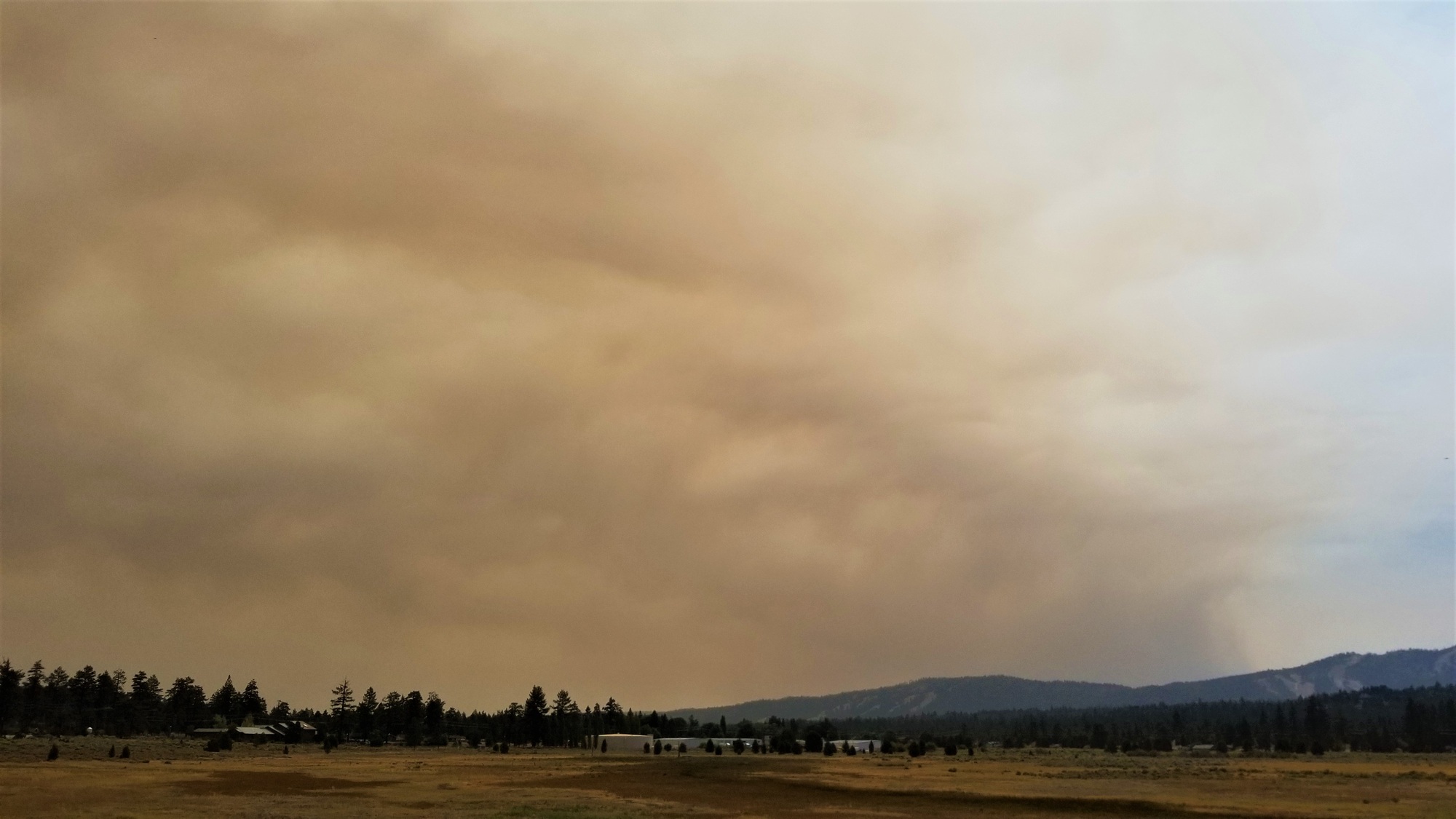
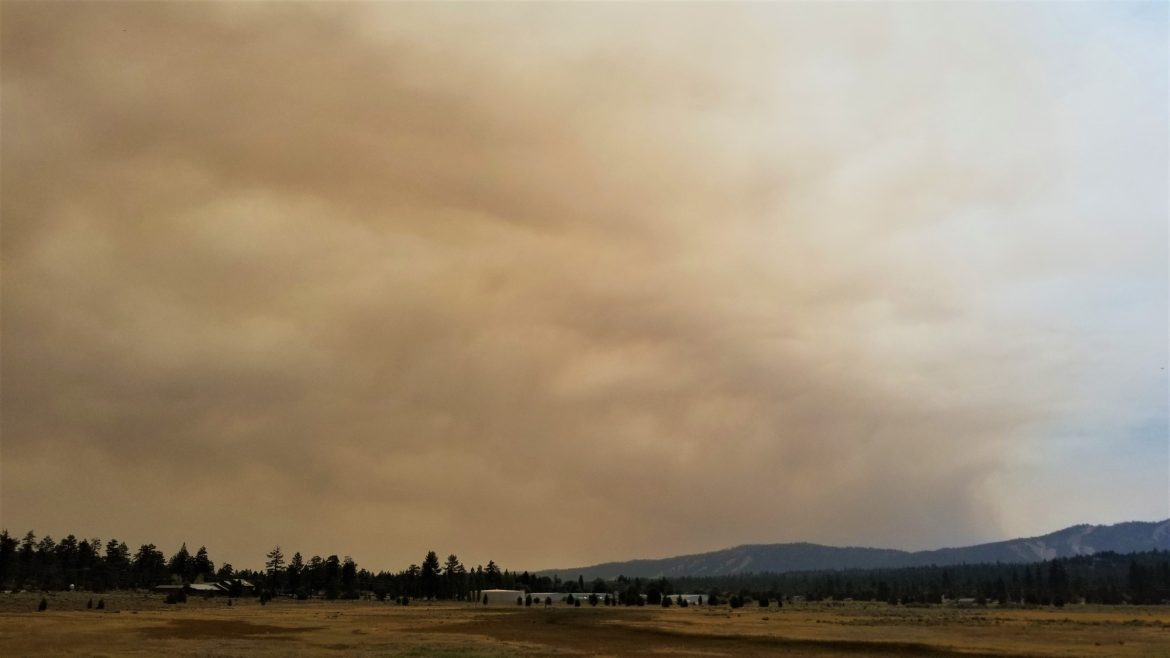
Wildfires have ravaged northwestern Spain throughout the first half of August, causing an unprecedented increase in carbon emissions this year. According to the Copernicus Atmosphere Monitoring Service, although early in the month emissions were below seasonal averages, a sudden surge in fires in regions such as Castilla y León and Galicia has pushed total wildfire emissions to the highest annual level in twenty-three years of recorded data.
Monitoring from the Spanish air quality surveillance network reveals a significant deterioration in air quality across a broad area, with PM2.5 fine particulate concentrations exceeding the World Health Organization’s guidelines. Smoke has spread hundreds of kilometres, affecting regions far beyond the immediate fire areas, including France, the United Kingdom, and Scandinavia.
The Spanish Society of Epidemiology has expressed serious concerns regarding the health impacts of the smoke, linking it to increased mortality from respiratory and cardiovascular diseases. Over three hundred thousand hectares have been devastated by fire, leading to growing concerns about public health, food security, and access to clean water, particularly for vulnerable populations and outdoor workers.


As climate change exacerbates the intensity of these fires, it is anticipated that wildfire occurrences could increase by thirty per cent by two thousand and fifty and fifty per cent by the end of the century. The Society underlines the need for immediate and coordinated public health responses, reinforcing surveillance, prevention, and protection measures for those at greatest risk, including the elderly, children, and individuals with chronic illnesses.
This article was written with AI assistance and reviewed by a human editor before publication.