Listeners:
Top listeners:
00:00
00:00
volume_up
chevron_left
-
 play_arrow
TKO Radio Love Life... Love Music... Love TKO!
-
 play_arrow
TKO Gold Classic Gold Easy Listening on The Costa Blanca
-
 play_arrow
TKO 70s
-
 play_arrow
TKO 80s
-
 play_arrow
TKO 90s
-
 play_arrow
Airplay Rewind TKO Radio
-
play_arrow
Something For The Weekend TKO Radio
-
 play_arrow
Weekend Wakeup TKO Radio
-
 play_arrow
Early Breakfast TKO Radio
-
play_arrow
The Weekly Dance Party TKO Radio
Pioneering Heart Operation Saves Six-Year-Old from Transplant
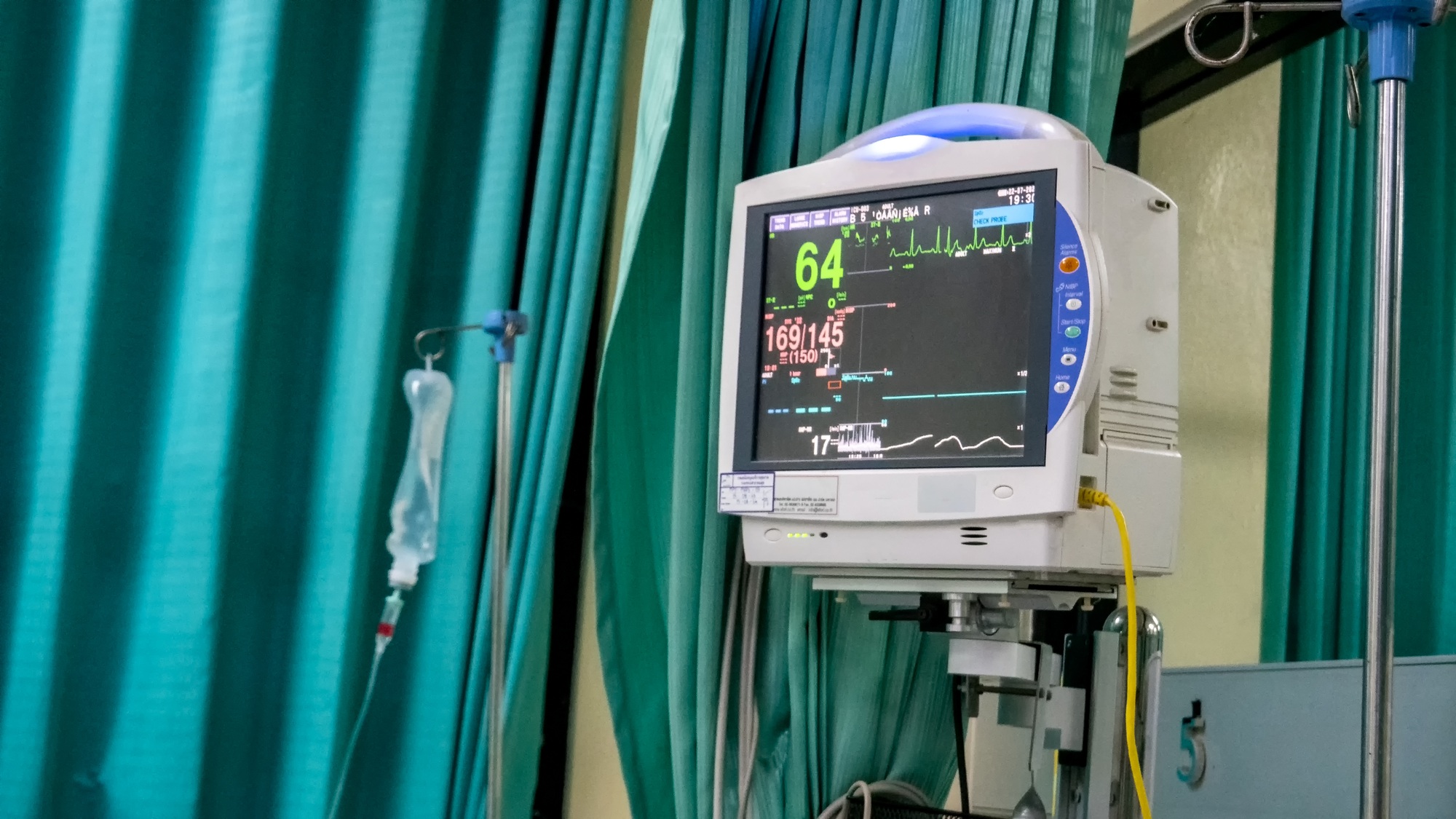
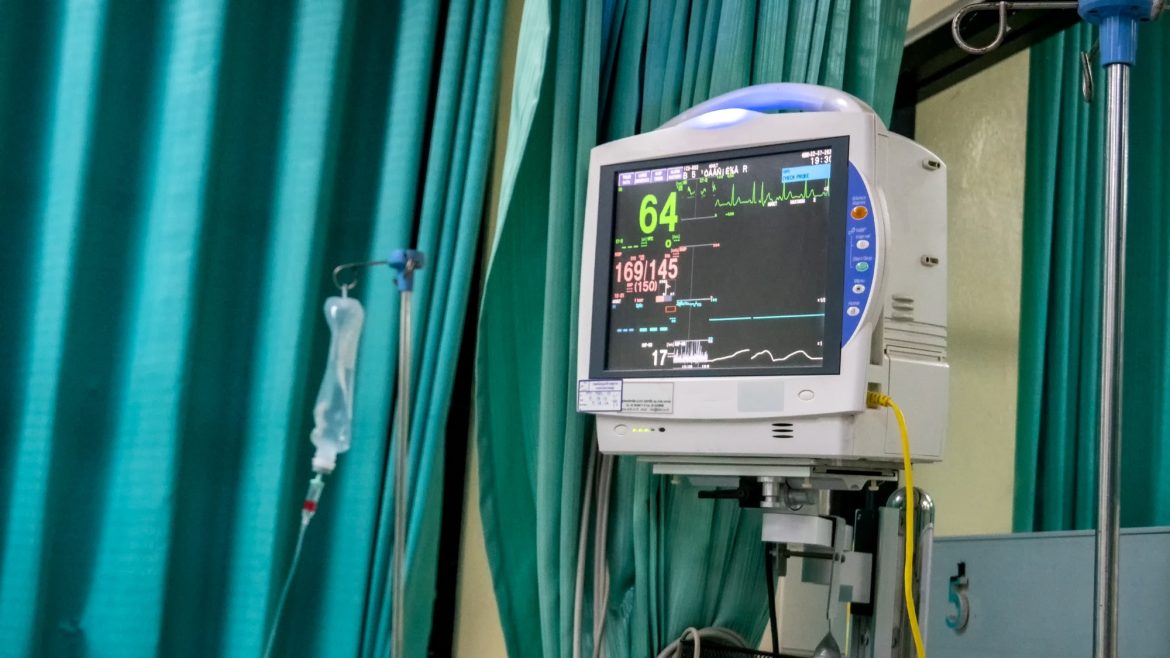
On Monday, the Gregorio Marañón Hospital in Spain successfully carried out a groundbreaking procedure, performing a lymphatic catheterisation on a six-year-old girl suffering from a congenital heart condition. This complex twelve-hour operation involved thirty medical professionals including an expert from the United States, successfully avoiding a heart transplant for the patient.
The procedure employed two pioneering techniques, utilising interventional lymphatic catheterisation to access the central lymphatic system under X-ray guidance. It followed a three-phase process, starting with a needle puncture in the groin area to inject a contrast agent for precise location of the affected area. A dynamic lymphangiography using magnetic resonance imaging then allowed radiologists to visualise the lymphatic circulation in real-time and identify the source of the lesion.
In the final phase, micro catheters of just one millimetre were used to seal the lymphatic malformation, restoring appropriate lymphatic circulation. Post-operation, the young patient was successfully moved to the paediatric intensive care unit in stable condition and is now recovering in a hospital ward.


This innovative treatment has resolved her malnutrition and plastic bronchitis issues caused by her heart condition, significantly reducing her vulnerability to infections. The Gregorio Marañón Hospital now stands as the first in Spain capable of offering such alternatives for paediatric patients with congenital heart diseases, marked by a commitment to advancing care in this critical field.
This article was written with AI assistance and reviewed by a human editor before publication.