Listeners:
Top listeners:
00:00
00:00
volume_up
chevron_left
-
 play_arrow
TKO Radio Love Life... Love Music... Love TKO!
-
 play_arrow
TKO Gold Classic Gold Easy Listening on The Costa Blanca
-
 play_arrow
TKO 70s
-
 play_arrow
TKO 80s
-
 play_arrow
TKO 90s
-
 play_arrow
Songs That Don't Get Played On The Radio Any More TKO Radio
-
play_arrow
Airplay 40 TKO Radio
-
play_arrow
Paul Baker's Weekender TKO Radio
-
play_arrow
Something For The Weekend TKO Radio
-
 play_arrow
Weekend Wakeup TKO Radio
New Legislation Aims to Cut Food Waste in Spain

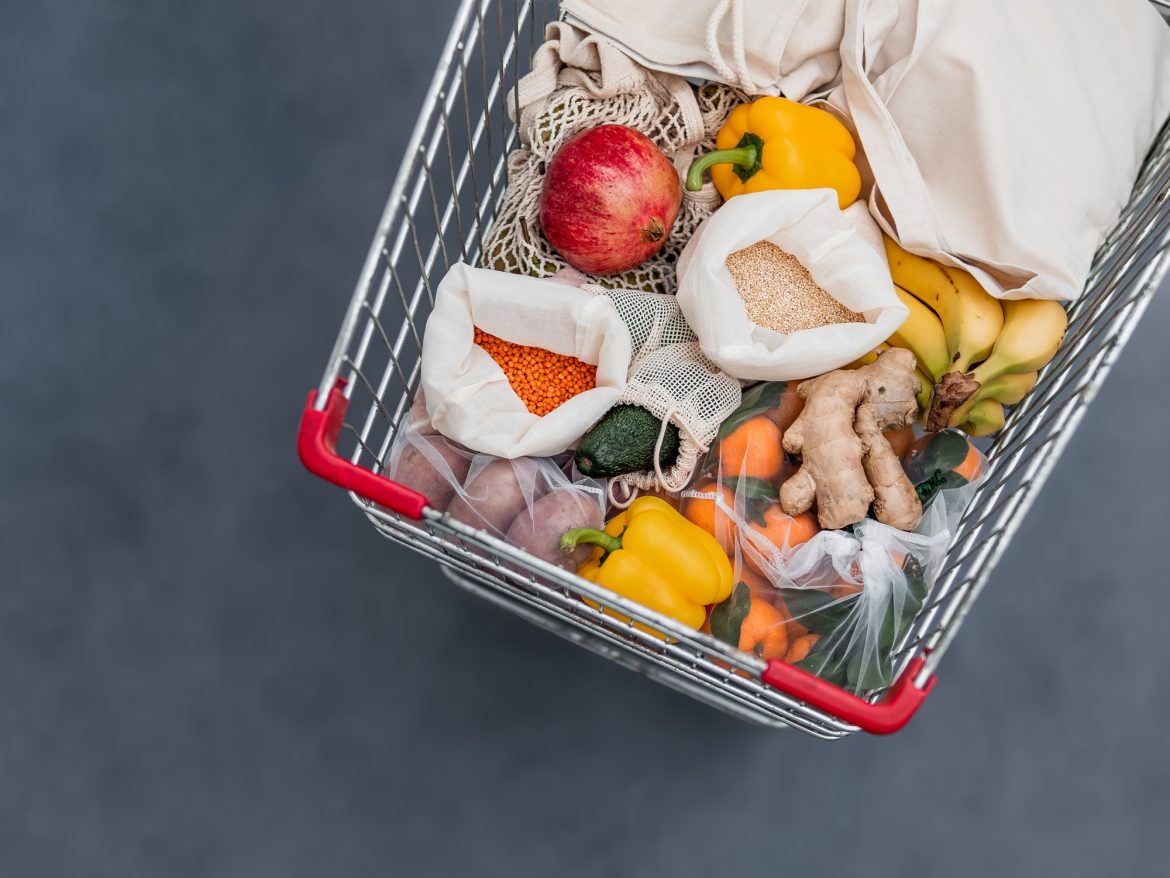
Spain’s Congress of Deputies has passed a new law aimed at significantly reducing food waste, following intense parliamentary debate. The legislation sets an ambitious target of cutting food waste by fifty percent per capita in retail and consumption by the year two thousand thirty and seeks to reduce losses in production and supply chains by twenty percent. The Food and Agriculture Organization estimates that around one point three billion tonnes of food are wasted globally each year.
One of the core components of the law is the requirement for all agents in the food supply chain to develop plans to prevent food loss and waste. This includes establishing a hierarchy of priorities for food use, advocating for human consumption first, followed by the repurposing of food for product creation or donation. Retailers have a duty to donate surplus food, while consumers will have the right to take leftovers from restaurants at no additional cost, provided proper packaging is used.
Moreover, the law calls for public administrations to promote responsible consumption and develop innovative solutions to minimise waste. Efforts will also be made to rationalise ‘best before’ dates to help reduce premature disposal of consumable goods, encourage sales of aesthetically imperfect produce, and promote seasonal and local products.


The legislative process stirred controversy, particularly with modifications regarding the Iberian wolf’s protection. The law represents a significant step in tackling food waste, an issue that has garnered increasing attention in Spain, where nearly one point three million tonnes were wasted in twenty twenty-three alone.
This article was written with AI assistance and reviewed by a human editor before publication.