Listeners:
Top listeners:
00:00
00:00
volume_up
chevron_left
-
 play_arrow
TKO Radio Love Life... Love Music... Love TKO!
-
 play_arrow
TKO Gold Classic Gold Easy Listening on The Costa Blanca
-
 play_arrow
TKO 70s
-
 play_arrow
TKO 80s
-
 play_arrow
TKO 90s
-
 play_arrow
Songs That Don't Get Played On The Radio Any More TKO Radio
-
play_arrow
Airplay 40 TKO Radio
-
play_arrow
Paul Baker's Weekender TKO Radio
-
play_arrow
Something For The Weekend TKO Radio
-
 play_arrow
Weekend Wakeup TKO Radio
Spain’s Cabinet Approves Alcohol Consumption Law for Minors
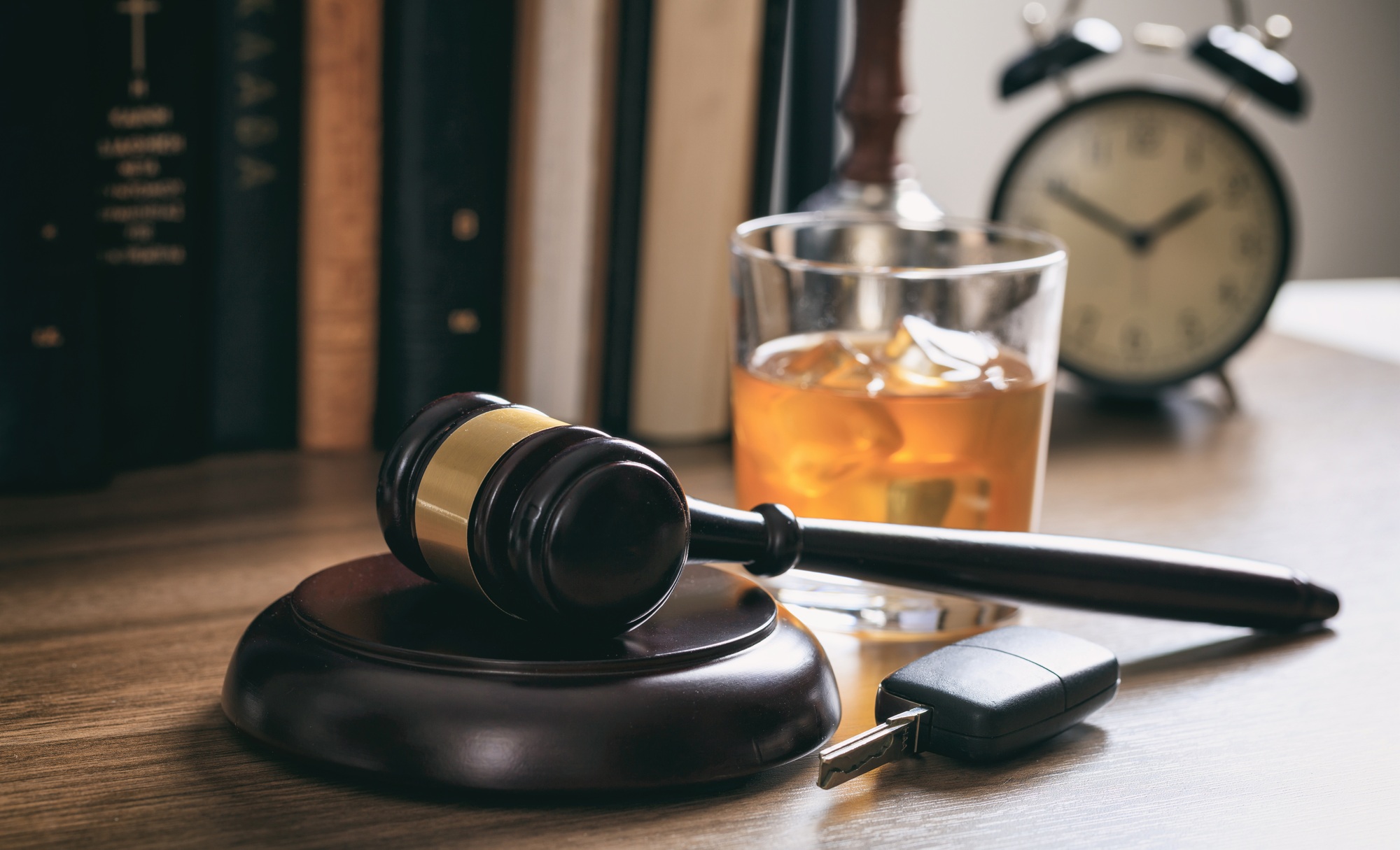
The Spanish Council of Ministers has officially approved a draft law aimed at preventing alcohol consumption among individuals under the legal drinking age. Health Minister Mónica García highlighted that this pioneering legislation seeks to unify and strengthen existing laws while responding to an urgent social concern. Recent surveys reveal that alcohol remains the most prevalent psychoactive substance among students aged fourteen to eighteen, with over ninety-three percent of them indicating easy access to alcoholic beverages despite existing restrictions.
The legislation outlines three main areas of action: prevention, regulation of consumption, and control of advertising. It strictly prohibits alcohol consumption by minors and in environments heavily populated by them, such as schools and recreational facilities. Additional measures include banning sales of alcoholic beverages in establishments primarily frequented by children and requiring that self-service machines have safeguards to prevent underage purchases.
Moreover, the law will restrict advertising targeted at young individuals and prohibit sponsorship of alcohol brands in public spaces where minors are present. A significant provision also includes the imposition of a radius ban on alcohol advertisements within one hundred and fifty metres of schools and child-friendly areas, which will be enacted one year after the law’s publication.


This legislation comes as part of a broader initiative to address substance abuse and ensure healthier environments for children and adolescents. Minister García stressed the importance of protecting young people from the adverse effects of alcohol, emphasising that no safe level of consumption exists for this demographic, as research demonstrates alcohol’s negative health impacts. The law aims to equip relevant sectors with the tools necessary to promote healthy lifestyle choices among youth.
This article was written with AI assistance and reviewed by a human editor before publication.